How to Find a Dive Buddy You Can Trust
04/28/2025
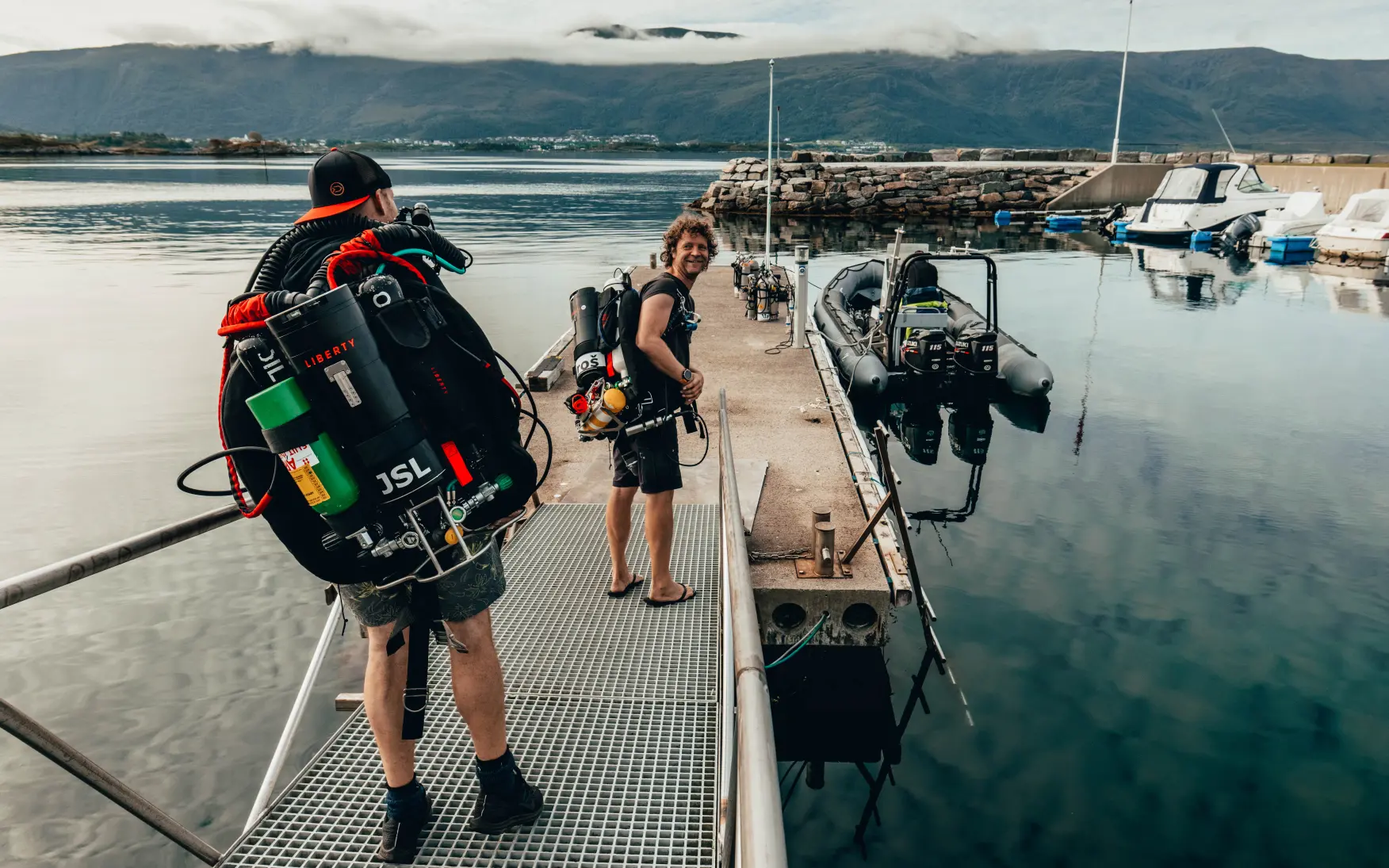
Every diver needs a wingman. Not just someone to enter the water with, but someone they can rely on when things do not go exactly as planned. In diving, we call that person a buddy.
Whether you're exploring a shallow reef, completing your first wreck dive, or preparing for a technical expedition, the person beside you plays an important role in your safety, confidence, and enjoyment underwater.
The best dive partnerships grow through trust, good communication, and time spent diving together.
If you are wondering how to find a dive buddy you can trust, the strongest teams are usually built long before entering the water.
Why Your Buddy Matters
Most divers learn the buddy system during their first certification course.
At first, it may seem simple. Stay together, check each other's equipment, and help if something goes wrong.
As divers gain experience, they begin to understand that a good buddy provides much more than an extra set of eyes underwater.
A trusted partner helps with planning, navigation, problem-solving, and decision-making. They help keep dives enjoyable, reduce stress, and often notice things you might miss yourself.
For technical and CCR divers, the importance of a reliable partner becomes even more obvious.
“The importance of a dive buddy returned but with new significance; the bailout gas carried by a buddy is factored into my dive/emergency plan, as my bailout is into his.” — Richie Kohler, expedition wreck explorer
The deeper the dive and the more ambitious the objective, the more important the team becomes.
But the principle remains the same at every level of diving.
Trust matters.

What Makes a Good Diving Buddy?
Many divers assume the best buddy is simply the most experienced diver available.
In reality, strong partnerships are usually built on compatibility rather than impressive certifications or logbook numbers.
Similar Experience and Goals
Divers do not need identical certifications, but they should feel comfortable with similar types of dives.
A relaxed reef dive, a deep wreck, and a cave exploration all require different expectations. Good buddies understand what they are trying to achieve and share a similar level of comfort in the environment.
Shared Approach to Planning
Reliable divers prepare before the dive.
They discuss objectives, review procedures, and make sure everybody understands the plan. Small conversations before entering the water often prevent misunderstandings later.
Compatible Equipment and Procedures
For recreational diving, a good scuba buddy should understand the dive plan, communicate clearly, and stay within agreed limits.
For technical and CCR dives, compatibility also includes certification depth, unit familiarity, and decompression discipline. A buddy should be trained for the planned depth, understand the equipment being used, and follow a decompression strategy that fits the team plan.
Calm Communication
One of the most valuable qualities in a diving partner is composure.
When something unexpected happens, divers who communicate clearly and remain calm often solve problems more effectively than those with the most impressive certifications.
Trust Is Built on Small Dives
Many divers meet future buddies online. Very few build trust there.
Confidence in a buddy usually develops after spending time diving together.
Before planning a demanding expedition, a deep wreck dive, or a major CCR project, spend time diving together in less demanding conditions.
A controlled shake-down dive at moderate depth can reveal how a potential dive buddy plans, communicates, checks equipment, and reacts when conditions change. A simple local dive often reveals more about a potential buddy than dozens of online conversations.
Pay attention to how they prepare, communicate, and react when plans change. After the dive, talk openly about what went well and what could be improved. For more advanced dives, debriefing can also include SAC rates, bubble checks, dive computer data, or Liberty sensor logs. Technical divers often go one step further by practicing emergency procedures together.
Lost-unit drills, bailout scenarios, CO₂ breakthrough drills, light failures, and other exercises help build confidence in the team long before those skills are ever needed. The strongest dive teams are rarely formed overnight.
They are built one dive at a time.

Where to Find a Dive Buddy
Fortunately, divers have more ways than ever to connect with like-minded people.
There is no single dive buddy finder that works for everyone. Most divers find reliable diving buddies through a mix of local dive centres, clubs, training programs, online communities, social media groups, and repeated dives with people they already know.
Local Dive Centres and Clubs
Many divers first get to know future buddies during a course, a club dive, or a trip with a local dive centre. Sharing a boat, a training day, or a weekend diving trip is often how long-term diving partnerships begin.
For recreational divers, local clubs and dive centres are often the easiest way to meet a reliable scuba buddy gradually. For technical and CCR divers, centres that support CCR fills, trimix fills, or technical charters are especially useful places to meet partners with similar training, equipment, and goals.
Online Diving Communities
Online communities such as ScubaBoard and DiveBuddy include dedicated sections where divers look for training partners, teammates, and expedition companions.
For technical and CCR divers, these communities can also help connect people with similar equipment, certification levels, and dive objectives.
Example request: “Recent Mod 1 certified on SF2 CCR… another CCR or SCCR diver would be great, but happy to dive with OC.”
When posting a dive buddy request, include the date, location, planned maximum depth, unit or equipment configuration, certification level, and dive objective. Clear details help other divers quickly understand whether the plan fits their skills, experience, and equipment.
Social Media Groups
Facebook groups, Discord servers, and Reddit communities focused on scuba diving, technical diving, and rebreathers can be excellent places to connect with local divers. Searching hashtags such as #CCRLIBERTY can often lead to active discussions, planned trips, and new diving contacts.
Liberty Divers Club
The Liberty Divers Club connects Liberty CCR owners from around the world. Members regularly share dive plans, organize expeditions, and meet for projects ranging from local dives to major explorations.
Dive Events and Training Programs
Some diving partnerships start during training. Others begin at events like Operation CCR, EuroTek, TEKCamp, or Divesoft gatherings, where divers meet people with similar interests and future diving goals.
Potential Red Flags
Not every diver is the right teammate.
Some habits are worth noticing early:
- Repeated changes to the dive plan without discussing them with the team
- Frequent late arrivals or last-minute changes without clear communication
- Showing up without the equipment or information needed for the planned dive
- Skipping pre-dive checks
- Modifying life-support equipment without proper validation
- Competitive or ego-driven attitudes Reluctance to discuss mistakes or learn from feedback
Many divers prefer to get to know a buddy gradually through regular dives and time spent underwater together.
Planning Together
Good teams communicate clearly and plan consistently.
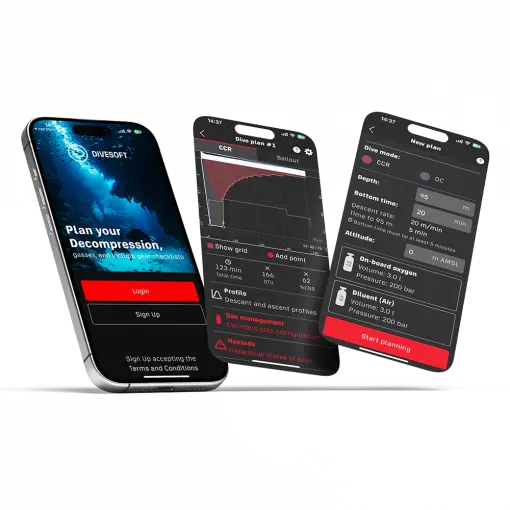
Tools such as Divesoft.app help divers share decompression and gas plans, synchronize logs, manage checklists, and review dives together. Working from the same information reduces misunderstandings and helps everyone stay aligned throughout a project.
Whether planning a recreational dive trip or a technical expedition, preparation becomes easier when the entire team shares the same plan.
The Best Dive Teams Are Built, Not Found
Ask experienced divers how they met their favourite dive buddy and you'll often hear a similar story. Most divers prefer to see how someone plans, communicates, and behaves underwater before relying on them during more demanding dives.
They usually develop through regular dives, honest communication, and mutual respect. Training, equipment, and experience all contribute to safer and more enjoyable diving.
Over time, most divers come to a similar conclusion. The divers people trust most are not always those with the longest logbooks or the latest equipment.
They are the ones who communicate clearly, prepare carefully, and stay dependable when conditions become more challenging than expected.

Looking for a Dive Buddy?
Whether you are looking for a recreational dive partner, preparing for your first CCR expedition, or planning your next technical project, finding people with similar goals is often the first step.
Join the Liberty Divers Club, meet divers from around the world, and discover new opportunities for future dives and expeditions.
Author: Divesoft
Divesoft.app
Plan your decompression, gasses, utilize checklists, check your logs + more.
All for Free.