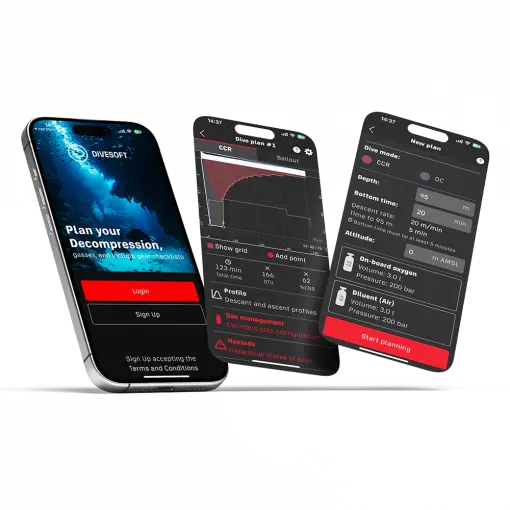
Why Divers Analyze Their Gas Before Every Dive | ECHO Gas Analyzer
The Small Ritual Before Every Dive
“It's thirty-two.”
You’re standing next to the car, on the boat deck, or somewhere on the dock. Your gear is ready, the dive plan has been discussed, and the cylinders are already lined up. Someone just brought over a freshly filled tank and says with a smile, “It's nitrox 32.”
“Great,” you reply.
And you still pull out your analyzer.
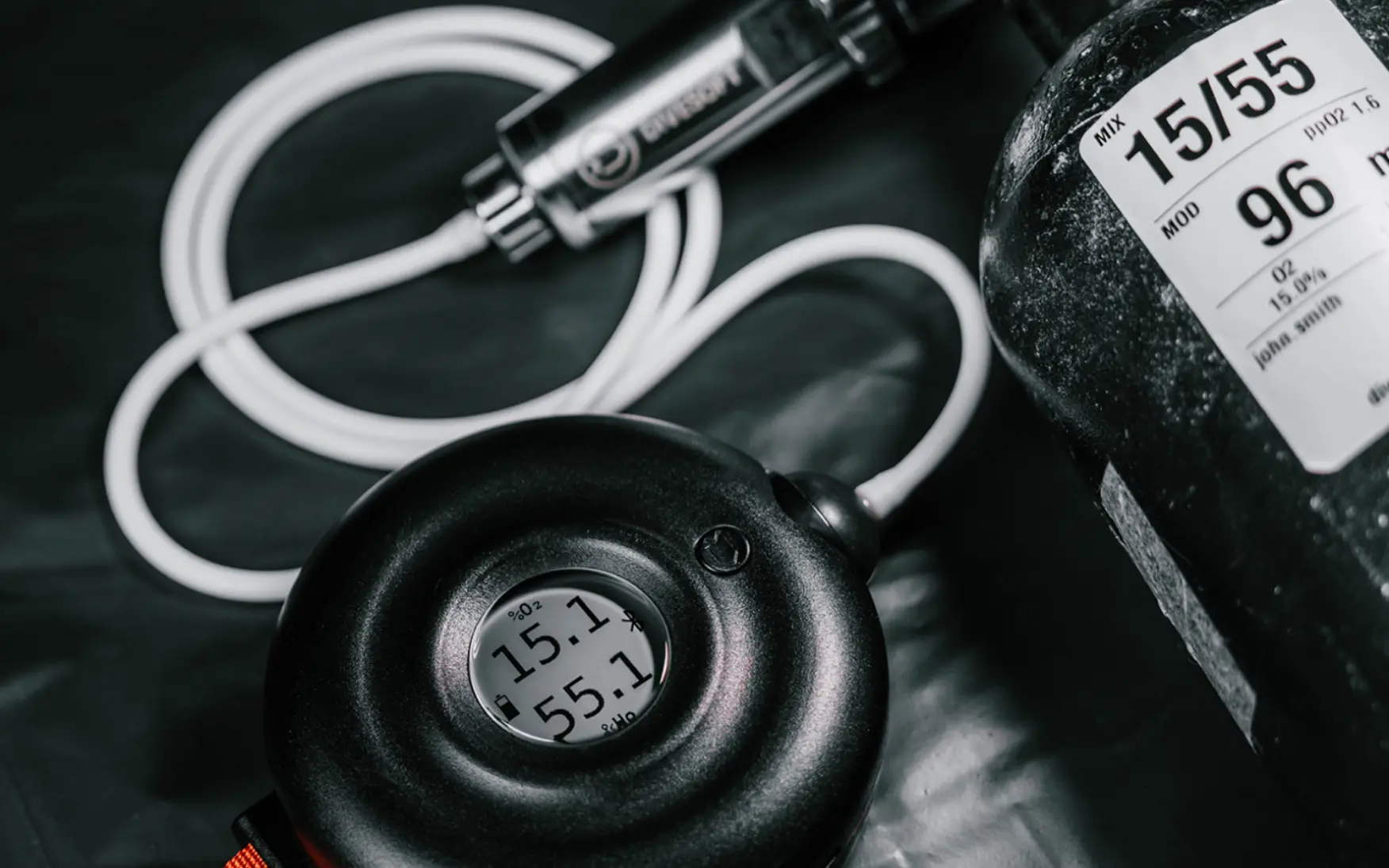
Not because you don’t trust anyone. But because when you’re underwater, you want to be sure. This small step before a dive has become second nature for many divers. You hold the analyzer to the valve, let the gas flow for a moment, and look at the number.
“Thirty-one point eight. Looks good.”
Maybe you're checking a single tank before a recreational dive. Maybe you're analyzing trimix for a deeper one. Sometimes it means standing next to a compressor and going through tank after tank.
And it’s in moments like these that you realize how important a good analyzer really is.
Trust, But Verify
“Do you really have to analyze it every time?” someone asks. “Yep,” the other diver replies. “Every time.” Most divers have heard this conversation before. And most experienced ones answer the same way. It’s not about distrust. It’s about certainty. Cylinders are filled every day. Different mixes are blended — sometimes nitrox, sometimes trimix. Sometimes a dive center fills them, sometimes divers mix the gas themselves. Even when everything is done correctly, analyzing the gas is the last step the diver takes personally. It takes only a few seconds. You hold the analyzer to the valve, let the gas flow, and check the number. That’s how you know exactly what you’re breathing. That’s why a gas analyzer has become a standard piece of equipment — just like a dive computer or a dive plan.
What Are We Actually Measuring?
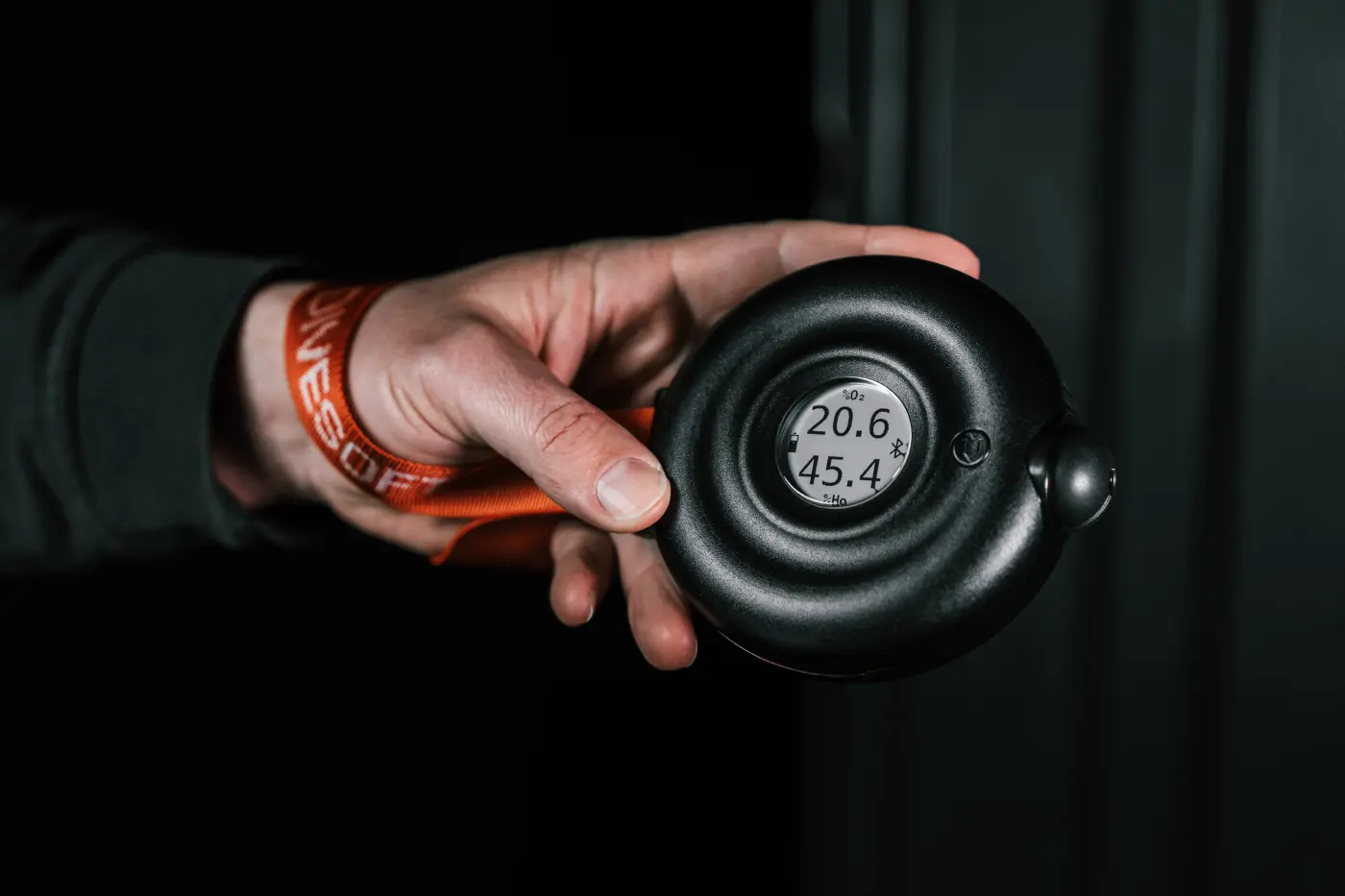
Most of the time, divers are checking two things: oxygen and helium.
With nitrox, the key number is the oxygen percentage. It determines the maximum depth and influences the whole dive plan.
With trimix, helium becomes part of the equation. At that point it's not only about safe depth, but also about how the gas behaves during descent and ascent.
And then there’s another factor people talk about less often — gas quality.
Some analyzers can now detect contamination in the gas, such as the presence of carbon monoxide. It’s a gas you can’t see and can’t smell. That’s why checking gas quality can be just as important as verifying the mix itself.
When an Analyzer Can Do More
For many divers today, analyzing gas is simply part of getting ready to dive. You pull out the analyzer, check the mix, label the cylinder, and you’re good to go. For a long time, though, analyzers mostly meant one thing: measuring oxygen. But diving has changed over the years. New gas mixes are used more frequently, trimix diving has become more common, and in some situations checking gas quality has become increasingly important. As a result, analyzers have evolved as well. Today, some instruments can measure oxygen, determine the helium content of a mix, and even warn about the presence of carbon monoxide — a gas that cannot be seen or smelled. This idea led to the development of the ECHO gas analyzer.
A Simpler Way to Check Your Gas
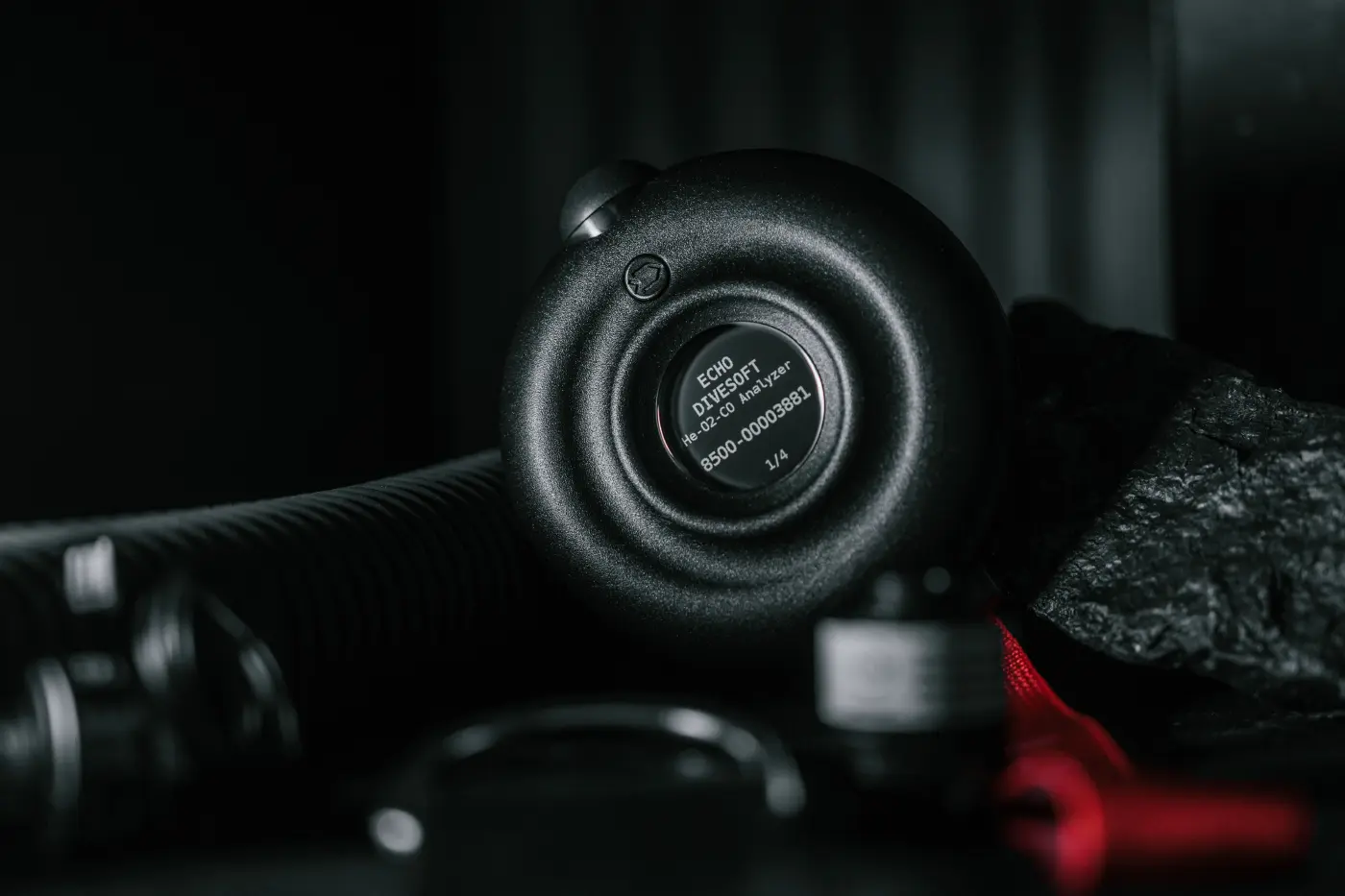
ECHO combines several functions in a single device. It can measure oxygen, determine helium content in a mix, and warn about possible carbon monoxide contamination.
For divers, though, the most important thing is how simple it is to use.
You hold the analyzer to the valve, let the gas flow, and within a few seconds the result appears on the display.
Just like before.
Only now with more information.
The results can also be stored in a mobile app or used when labeling cylinders — something that can be especially useful in dive centers or during expeditions with many tanks.
A New Type of Oxygen Sensor
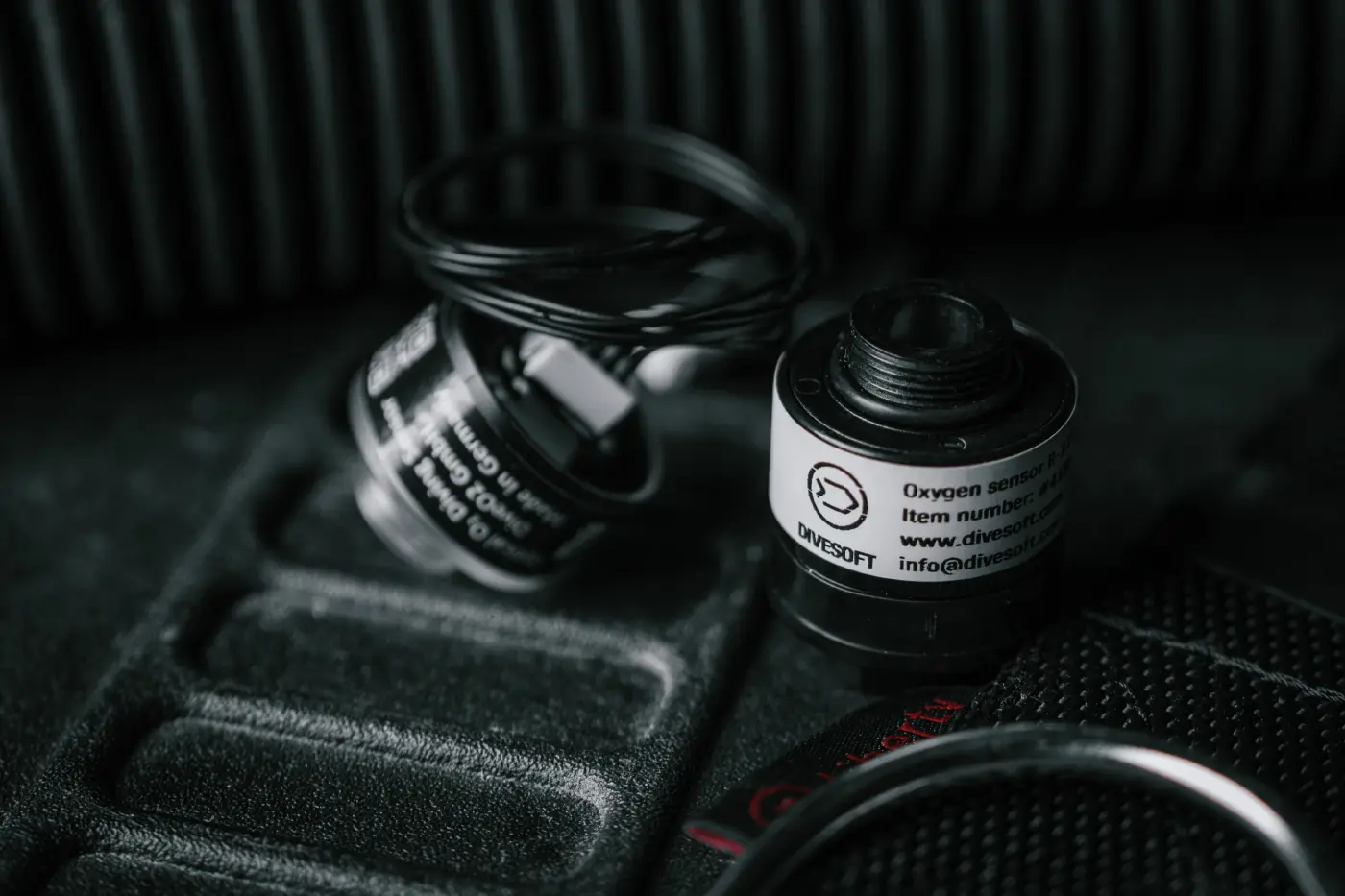
Most analyzers use a traditional galvanic oxygen sensor. Divers know this technology well, and it has been used in analyzers for many years.
ECHO can also be equipped with a solid-state oxygen sensor, which works using a different principle and does not contain electrolyte.
For divers, that mainly means one thing: very long sensor life and minimal maintenance.
An Analyzer as Part of Diving
Analyzing gas is a small step divers repeat again and again.
Hold the analyzer to the valve.
Look at the number.
Label the cylinder.
Some analyzers can now also connect to a mobile app. Gas analysis results can be stored, linked to specific cylinders, or kept as part of dive records.
When dealing with many cylinders or managing gas in a dive center, that can make things much easier.
The Small Ritual
At the beginning, someone says:
“It's nitrox thirty-two.”
The diver nods and still pulls out the analyzer.
Gas flows for a moment.
The number settles.
“Thirty-one point eight. Looks good.”
The cylinder gets labeled. The gear is closed. Time to dive.
That small ritual before a dive hasn’t really changed over the years.
Only the analyzers have gotten a little smarter.
Learn More About ECHO
If you'd like to learn more about the ECHO gas analyzer, you can find full details on the product page or see it directly in our online store.
→ ECHO product page
→ ECHO in the Divesoft store
Divesoft.app
Plan your decompression, gasses, utilize checklists, check your logs + more!!
All for Free.